Initial Carolina Cares field appeal
An early video recorded people experiencing homelessness describing immediate needs for food, blankets, sleeping bags, water, and community help during the shutdown period.
Watch on YouTube
Carolina Cares Archive
Carolina Cares began as hands-on emergency response in Columbia during the first months of COVID-19. The renewed program builds on that documented history with stronger systems, clearer standards, and a more sustainable Essentials Kit model.
Origin
In spring 2020, normal services were disrupted, jobs disappeared, and people already living with housing or financial instability faced even fewer places to turn. The original Carolina Cares Coronavirus Epidemic Volunteer Task Force responded with direct community outreach.
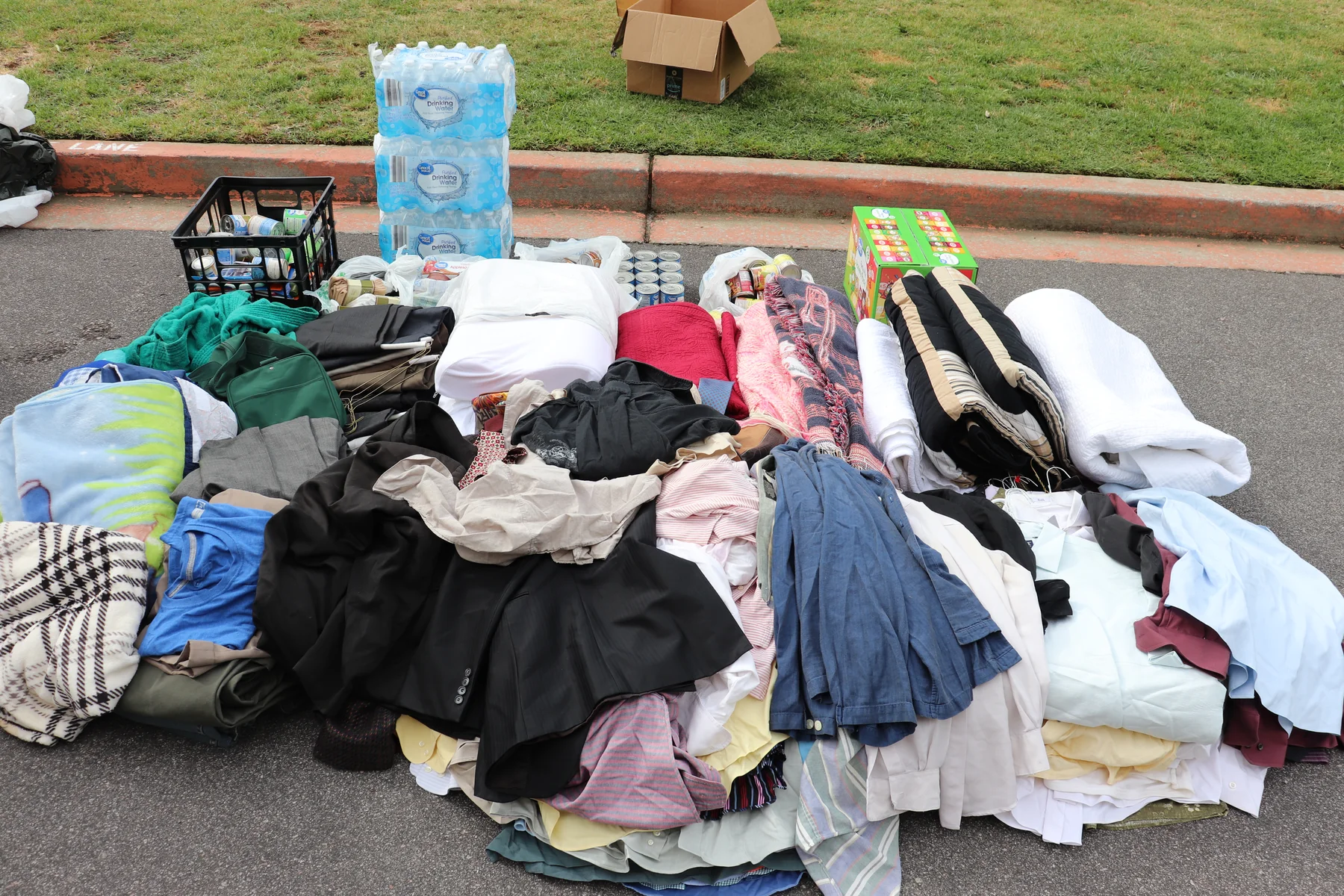
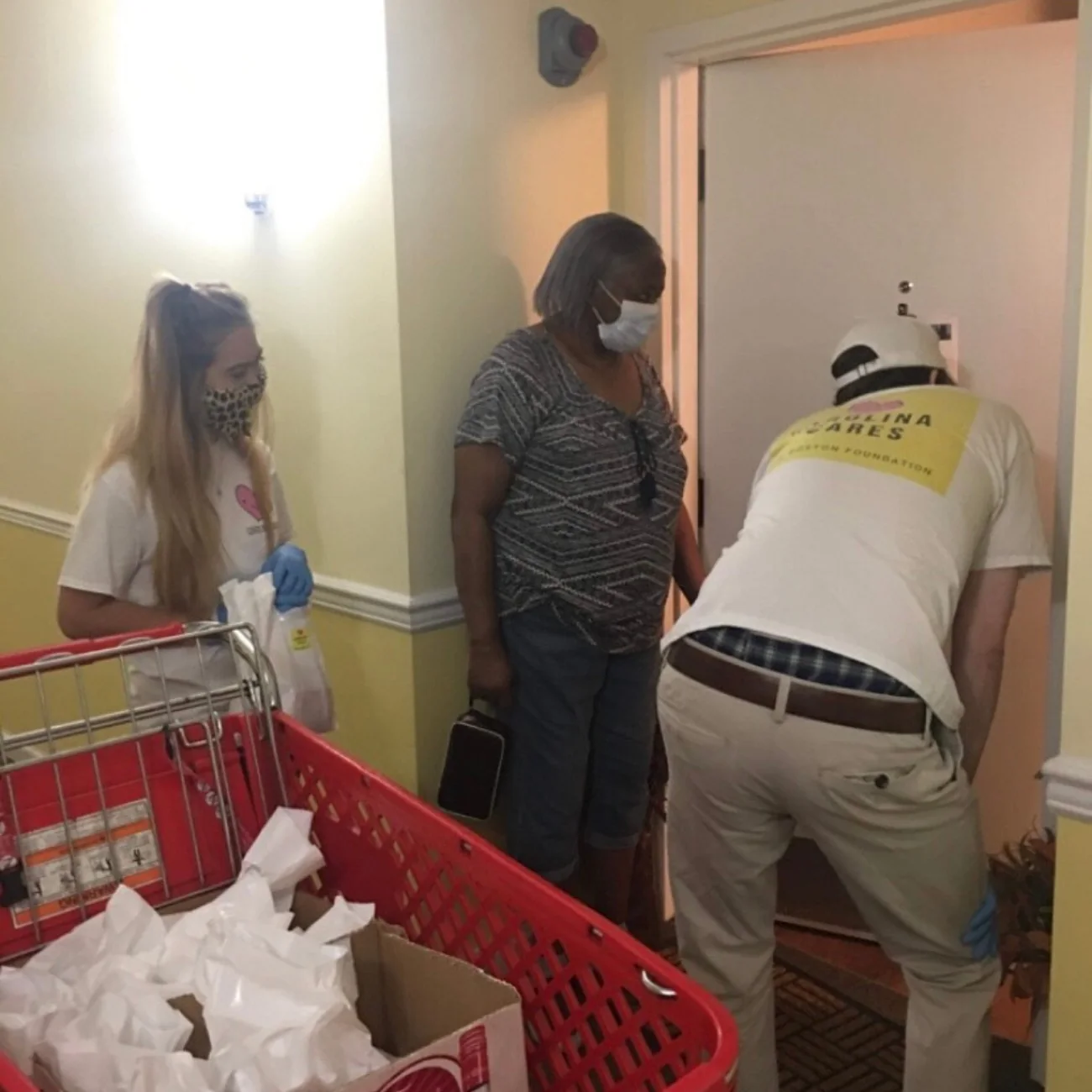
Archival photographs and videos document food and water distribution, sleeping bags, blankets, hygiene supplies, clothing, and direct conversations with people experiencing homelessness or sudden financial hardship.
That first effort was informal and immediate. It was also public: field videos were posted to recruit volunteers, raise donations, and show supporters that the work was actually taking place.

Documented Timeline
An early video recorded people experiencing homelessness describing immediate needs for food, blankets, sleeping bags, water, and community help during the shutdown period.
Watch on YouTubeEvent footage documented direct food outreach in Columbia during the early months of the pandemic.
Watch on YouTubeNighttime field footage documented volunteers distributing sleeping bags and other supplies while speaking directly with people living outside.
View archival footageA longer documentary recorded meal and water distribution, cold-weather support, interviews, and discussion of why the Foundation was documenting the work publicly.
View archival footageInterviews included a worker who described losing contracts and income during COVID-19, becoming homeless, reaching Columbia, and trying to return to work.
View archival footageLocal news coverage followed a man who had lost work during the pandemic. Carolina Cares helped with a phone, clothing, documents, and job-search support; he later secured employment in Greenville.
View the WACH media recordThe Poston Foundation renews the initiative around Carolina Cares Essentials Kits, a defined program budget, sponsorships, diversified fundraising, stronger internal controls, volunteer coordination, public transparency, and documented reporting.
See the current programAuthentic Archive
Historical Context
The mission remains practical help at the point of need, supported today by a more structured operating model.

Carolina Cares Today
The current Carolina Cares model centers on practical Essentials Kits that can be prepared, distributed, documented, and improved from one program cycle to the next.
Reading the archive
The original Carolina Cares materials show the Foundation’s roots in practical community assistance in 2020. They provide context for a program built around ordinary necessities and personal involvement. That history matters because today’s operating model grows from the same basic interest in useful, direct support.
The current Essentials Kit framework adds clearer planning and documentation around procurement, assembly, distribution, and reporting. The purpose is to make each activity easier to organize, explain, and repeat within available resources. The historical archive shows where the work began; the current program page explains how Carolina Cares operates today.
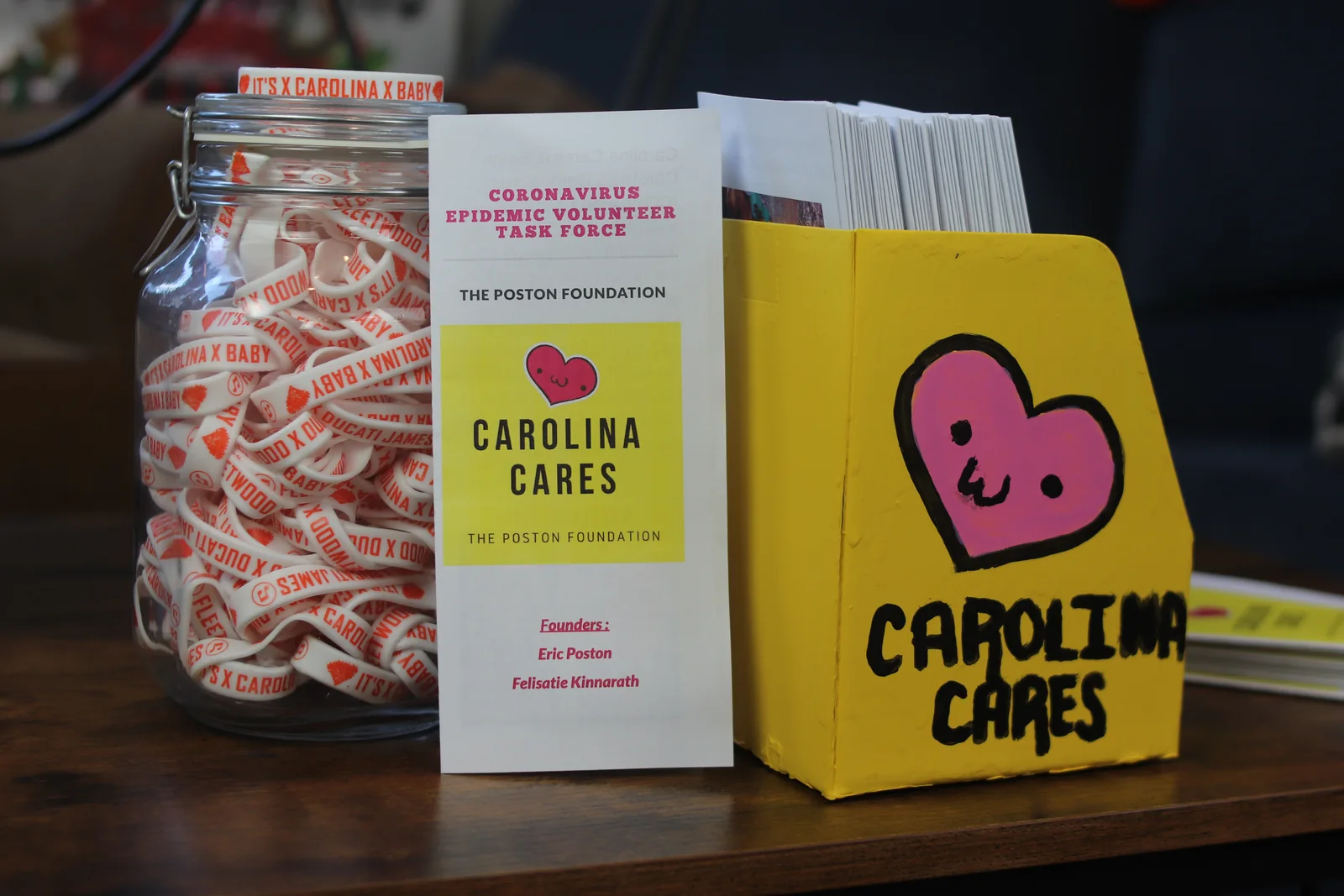
Older contact details, emergency-response language, and campaign arrangements in historical images belong to their original period. For a current gift, volunteer inquiry, or program question, use the live website navigation and the current Carolina Cares page.
Help preserve the record
People connected to the early effort may have photographs, dated materials, correspondence, or firsthand context that can strengthen the historical archive.
The Story Continues
The Foundation is carrying forward the hands-on spirit of the original effort while building the systems needed for responsible, repeatable community support.